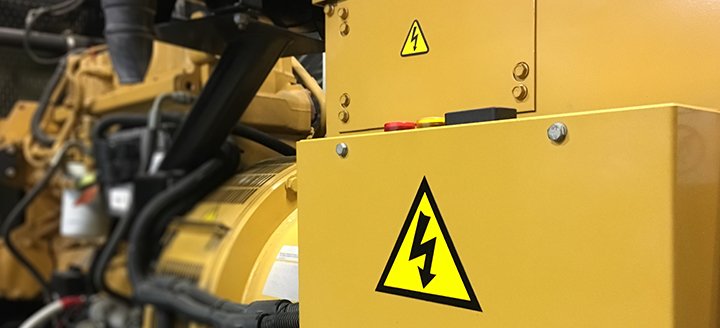
Generators are unsung heroes, silently waiting in the wings until a storm knocks out power or a remote job site needs juice. But like any vital equipment, their reliability isn't accidental. It's forged in the bedrock of consistent Generator Safety & Maintenance. Neglect these twin pillars, and your emergency power source can quickly become a costly, dangerous paperweight.
This isn't just about keeping the lights on; it's about safeguarding your home, your family, or your business from potential hazards and unexpected downtime. So, let’s pull back the curtain on how to keep your generator running safely, efficiently, and dependably, whenever you need it most.
At a Glance: Your Generator Safety & Maintenance Essentials
- Maintenance is Non-Negotiable: Regular checks extend life, prevent failures, and save money.
- Safety First: Always operate generators outdoors, away from windows, and never backfeed into your home’s electrical system.
- Follow a Schedule: Daily pre-start checks, weekly runs, monthly inspections, and annual professional servicing are key.
- Know Your Manual: Your generator's specific needs are outlined by the manufacturer.
- Understand Hazards: Carbon monoxide, electrical shock, and fire are real risks that can be easily avoided with proper care.
- Professional Help: Don't hesitate to call a certified technician for complex tasks, especially annual overhauls.
The Unsung Hero: Why Generator Maintenance Isn't Optional
Think of your generator as a highly skilled, on-call technician. You wouldn't expect them to perform flawlessly without the right tools and preparation, right? The same goes for your generator. Regular maintenance isn't a luxury; it's the core strategy for ensuring it performs perfectly when the stakes are highest.
Reliability in Crises
When the grid goes dark, your generator becomes your lifeline. Smooth starting and consistent operation are paramount, especially for powering critical systems like medical devices, refrigeration, or communication tools. Regular upkeep catches potential issues early, preventing the frustration and safety risks of a generator that refuses to start or conks out mid-emergency. It's about proactive prevention, ensuring you're never caught off guard.
Cost Savings & Extended Life
An ounce of prevention is truly worth a pound of cure when it comes to generators. Routine checks and minor adjustments are far less expensive than a major repair or, worse, a complete replacement. By reducing wear and tear on engine components and other systems, you're not just buying time; you're significantly extending the lifespan of your investment, pushing off that costly replacement for years to come.
Enhanced Safety & Efficiency
A well-maintained generator isn't just reliable; it's safer. Regular inspections help identify potential hazards like frayed wires, fuel leaks, or loose connections before they can escalate into dangerous situations such as fires, electrical shocks, or carbon monoxide leaks. Moreover, a generator that's properly tuned and clean will consume fuel more efficiently, translating into lower energy costs and less environmental impact during operation.
Warranty Protection
Many generator manufacturers stipulate regular maintenance as a condition of their warranty. Skip those scheduled services, and you might find your warranty coverage voided, leaving you on the hook for expensive repairs that would otherwise have been covered. Keeping meticulous records of all maintenance performed is a smart way to protect your investment and ensure compliance.
Before You Begin: The Universal Generator Check-Up
Every journey to a well-maintained generator starts with a simple, yet critical, visual inspection. Think of it as your generator's physical exam.
Begin by walking around your generator, looking for anything out of the ordinary. Are there any visible leaks? Stains of oil, fuel, or coolant on the ground or the generator's surface are immediate red flags. Check all hoses and fittings for cracks, abrasions, or loose connections. Pay close attention to electrical wiring—any signs of fraying, scorching, or loose terminals need immediate attention.
Ensure the generator itself is clean. Dirt, dust, leaves, or even animal nests can obstruct crucial air inlets, exhaust ports, and cooling vents, leading to overheating or performance issues. During a brief test run (more on this later), listen intently. Unusual noises like grinding, knocking, or rattling often signal an underlying problem. Finally, check for any loose bolts or components that might have vibrated free. If your generator has warning lights or alarms, address any illuminated indicators promptly. Always consult your manufacturer's manual for specific inspection points unique to your model.
Your Generator Maintenance Playbook: A Schedule You Can Trust
Generator maintenance isn't a one-and-done task; it's a layered process with different activities performed at varying intervals. Here’s a practical breakdown to keep your generator in prime condition.
Every Time You Start It: The Daily "Walk-Around"
Before you even think about firing up your generator, especially during an outage, perform these quick but vital checks. This is your personal pre-flight inspection.
- Fuel Check: Visually inspect the fuel tank. Is the level sufficient for your anticipated run time? Are there any visible leaks in the tank or fuel lines? Ensure the fuel itself looks clean and free of water or debris, which can lead to engine sputtering or damage. Top up with the recommended fuel type as needed.
- Oil & Coolant Levels: Use the dipstick to check the engine oil level. Is it within the recommended range? Look for any signs of oil leaks around the engine block or filter. For liquid-cooled generators, check and refill coolant levels, inspecting hoses and connections for any wear or leaks.
- Battery & Charger: A dead battery is a common reason a generator won't start. Ensure battery terminals are clean, tight, and free of corrosion. Verify battery voltage if possible and confirm the charger is functioning correctly, keeping the battery topped up. Check that all battery cables are securely connected.
Weekly Vigilance: Keeping Your Generator Ready
These operational and system checks are designed to mimic real-world usage and catch potential issues before they become serious.
- Perform a Startup Test: It’s vital to run your generator regularly, even when there's no outage. Start it up and let it run under a light load (e.g., a few lights or a small appliance) for 15–30 minutes. This lubricates components, circulates fluids, and burns off stale fuel. While running, keep an eye on the gauges (voltage, frequency, oil pressure, coolant temperature). Listen for any unusual noises, and watch for excessive vibration or abnormal smoke from the exhaust. Gradually increasing the load can further simulate typical conditions, allowing you to observe its performance under stress.
- Inspect Hoses and Belts: Engine hoses can harden, crack, or leak over time, while belts can fray or loosen. Examine all hoses for any signs of cracks, bulges, or leaks. Replace them if damaged. Check belts for proper tension and wear; a loose belt can lead to overheating or system failures. Tighten or replace as needed according to your manual.
- Fluid Verification: Beyond just levels, inspect the quality of your fluids. Verify coolant levels and ensure it's the correct 1:1 water to antifreeze mixture. Look for any discoloration or debris in the coolant that might indicate contamination. Do the same for engine oil and any other system fluids, checking for signs of contamination or leaks.
- Inspect Air Filters and Exhaust System: A dirty air filter starves the engine of oxygen, leading to reduced efficiency and potential damage. Remove and inspect air filters for dirt, dust, or blockages. Clean reusable filters or replace disposable ones. Simultaneously, check the entire exhaust system for leaks, cracks, or any unusual smoke which could signal engine problems.
- Test Safety Devices and Alarms: Your generator is equipped with crucial safety features. Test the emergency stop button, alarms, and circuit breakers to ensure they're functioning correctly. Verify that warning indicators for low oil pressure, high coolant temperature, or overloading trigger as expected. Record any triggered warnings and investigate their cause immediately.
Monthly Tune-Ups: Deeper Checks for Peak Performance
These tasks delve a little deeper into your generator's systems, ensuring long-term health and efficiency.
- Clean or Replace Air Filters: Even if your weekly check seemed fine, a monthly in-depth inspection of the air filter is wise. Remove it, inspect thoroughly for dust, debris, or damage. Clean reusable filters according to manufacturer instructions or replace disposable ones. Proper seating is crucial for effective filtration.
- Check Battery Electrolyte Levels: For lead-acid batteries, carefully check the electrolyte levels in each cell (if accessible). Top up with distilled water as needed. Critically, inspect battery terminals for corrosion, which impedes electrical flow. Clean any corrosion with a wire brush and baking soda solution, then reapply a protective coating. Verify all connections remain tight.
- Inspect the Fuel System for Contamination: Fuel can degrade or become contaminated over time, especially with water or microbial growth. Inspect fuel tanks, lines, and filters for signs of water, sediment, or slime. If your generator has a fuel-water separator, drain it. Replace fuel filters if they appear clogged or dirty. If significant contamination is found, draining and cleaning the fuel tank might be necessary.
- Lubricate Moving Parts: Your generator has various linkages, hinges, and bearings that benefit from occasional lubrication. Apply manufacturer-recommended lubricants to these moving parts, checking for any unusual wear or stiffness. This prevents rust and ensures smooth operation of components like throttles and chokes.
- Check Control Panel and Wiring Connections: The control panel is your generator's brain. Inspect it for loose or damaged wires, burnt contacts, or faulty indicators. Tighten any loose connections and ensure all gauges, lights, and switches are functioning correctly. Look for and clean any signs of moisture or corrosion, which can lead to electrical shorts.
The Annual Deep Dive: When Pros Step In
While you can handle many routine tasks, annual maintenance often requires specialized tools, expertise, and a comprehensive understanding that a certified technician can provide. These more intensive checks ensure your generator is ready for another year of reliable service.
- Replace Engine Oil and Filter: Just like your car, your generator's engine oil degrades over time and use. Drain the old oil completely, replacing it with the manufacturer-recommended type and viscosity. Always replace the oil filter simultaneously. Inspect the oil pan, filter housing, and drain plug for any leaks or damage. This crucial step ensures proper lubrication, reduces friction, and prevents sludge buildup.
- Replace Fuel Filter: Even if the fuel system appeared clean during monthly checks, annual replacement of the fuel filter is a standard preventative measure. This removes microscopic contaminants that could eventually clog injectors or carburetors. While you're at it, inspect fuel lines thoroughly for any signs of cracks, leaks, or wear.
- Inspect Spark Plugs (Gasoline Generators Only): For gasoline-powered units, remove the spark plugs and inspect them for wear, carbon buildup, or corrosion. Dirty or worn spark plugs can lead to misfires, reduced fuel efficiency, and starting difficulties. Clean or replace them according to your generator's recommendations, ensuring proper gapping.
- Test the Automatic Transfer Switch (ATS): For standby generators, the ATS is the brain that detects power outages and seamlessly switches your home's load to the generator. An annual test is critical to ensure it's functioning correctly. Simulate a power outage to verify proper load transfer from the utility mains to the generator, checking for smooth operation, correct timing, and accurate indicators.
- Perform a Comprehensive Load Test: This is where a professional truly shines. A comprehensive load test involves running the generator under its full or rated load for an extended period. This stresses the generator, allowing the technician to monitor voltage, frequency, and various engine parameters for stability. They'll also listen for unusual noises and watch for overheating or excessive vibrations, ensuring the generator can handle its intended workload without faltering.
- Check and Clean the Exhaust System: Over time, exhaust systems can accumulate soot, develop corrosion, or even cracks. Inspect the pipes, mufflers, and connections for any signs of corrosion, leaks, or blockages. Remove any soot or carbon buildup. Verify that the entire system is securely mounted and free of any obstructions that could impede exhaust flow.
For those considering a new generator or looking for robust options to maintain, it's worth exploring various models and professional services. You can Explore Sams generators to find reliable units and maintenance solutions that fit your needs. Remember, consistent weekly and monthly maintenance significantly reduces the scope and cost of these annual professional inspections.
Beyond Maintenance: Mastering Generator Safety
Maintenance keeps your generator running, but safety ensures it doesn't pose a threat. Portable generators, while incredibly useful, are responsible for numerous accidents each year, primarily due to carbon monoxide poisoning, heat hazards, and electrical issues. Understanding and strictly following safe operation protocols is non-negotiable.
The Golden Rule: Operate Outdoors, Always
This cannot be stressed enough: Never, ever run a generator indoors or in a partially enclosed space. This includes garages (even with the door open), basements, sheds, or crawl spaces. Generators emit carbon monoxide (CO), an odorless, colorless, and deadly gas. CO can build up rapidly in enclosed areas, quickly incapacitating and killing occupants.
Always set up your generator at least 20 feet away from your home, doors, windows, and vents. Position the exhaust port so it points away from any structures. While many modern generators include CO sensors and automatic shutdown features, these are secondary safety nets, not an excuse to operate indoors. Always use battery-powered CO detectors inside your home.
Powering Up Safely: Start-Up & Shut-Down Protocols
To protect both your generator and your appliances, always follow a specific power-up and shut-down sequence. Start the generator with nothing plugged into it (a "no-load" condition) and allow it to run for a few minutes. This prevents power surges that can damage sensitive electronics. Once it's stable, you can connect your extension cords or activate your transfer switch.
When you're ready to shut down, reverse the process: disconnect all appliances or switch off your transfer switch, allowing the generator to run briefly with no load before turning it off.
Weathering the Storm: Protecting Your Generator
Rain, snow, or even heavy dew can damage your generator, lead to short circuits, or create an electrocution hazard. However, never operate a generator in a shed or under a tarp that restricts airflow. This can cause dangerous heat buildup or carbon monoxide accumulation.
Invest in a specially designed, weather-proof cover or enclosure that is engineered to allow proper ventilation and heat dissipation while protecting the unit from the elements. These are widely available and are a smart safety investment.
Connecting with Confidence: The Right Cables Matter
When connecting appliances directly to your generator, use only heavy-duty outdoor-rated extension cords that are appropriate for the appliance's wattage and the distance to the generator. Using undersized cords can lead to overheating, melting, and fire hazards.
If using multi-outlet cables, never exceed the cord's wattage rating or the generator outlet's maximum output. Overloading can damage the cord and the generator, creating a fire risk.
Clearance & Cooling: Keeping Flammables at Bay
Generators produce a significant amount of heat, especially under heavy load, with exhaust components reaching hundreds of degrees Fahrenheit. Maintain at least five feet of clearance around your generator from all flammable items, including dry leaves, curtains, trash cans, or other equipment. The only exception would be a non-flammable generator cover specifically designed for use while operating.
Refueling Smarts: Cool Down Before You Fill Up
Gasoline is highly flammable, and spilled fuel can ignite on hot engine parts. Always allow your generator to cool down completely—typically 20-30 minutes after shutting it off—before attempting to refuel. For propane generators, always shut down the unit before switching out tanks. Store fuel in approved containers, away from direct sunlight, heat sources, and potential ignition points. Clean up any spills immediately.
Storage Savvy: Preventing Fuel Problems
Don't store your generator with untreated gasoline in the tank or carburetor for extended periods (e.g., more than a month). Gasoline can degrade, evaporate, leaving sticky residues that clog fuel passages, or absorb water, leading to starting problems and corrosion.
To prepare for storage, close the fuel valve and run the generator until it stalls, consuming all the fuel in the carburetor. For the fuel in the tank, add a quality fuel stabilizer. Using ethanol-free gasoline mixed with stabilizer is an even better option for long-term storage, as ethanol can attract water and damage fuel system components.
Rest Periods: Don't Run It Indefinitely
While designed for extended operation, most manufacturers recommend a rest period for your generator, typically 30 minutes after 24 hours of continuous use. This allows the engine components to cool down and prevents excessive wear. Always check your specific generator's manual for its recommended run times and rest periods.
Grounding Rules: When and How to Ground Your Generator
Understanding grounding can be tricky, as requirements depend on your generator type and how you're using it. A grounding rod dissipates fault currents (e.g., from lightning strikes or electrical shorts), preventing dangerous electrical shocks.
- Direct Appliance Connection: If you're simply plugging appliances directly into the generator using extension cords, a separate grounding rod is generally not needed.
- Powering Home Circuits: If you're connecting your generator to your home's electrical system via a transfer switch, the situation becomes more nuanced.
- Neutral-Bonded Generators: Many generators come from the factory with the neutral wire bonded (connected) to the generator frame. These generators typically do not require an additional grounding rod when connected to a properly installed transfer switch that switches the neutral.
- Floating Neutral Generators: If your generator has a "floating neutral" (the neutral wire is not connected to the frame), it should be grounded by connecting the generator's ground terminal to a grounding rod driven into the earth.
- GFCI Outlets: Generators equipped with GFCI (Ground Fault Circuit Interrupter) outlets and used to power home circuits typically require a neutral-switching (three-pole) manual transfer switch and must be grounded with a rod.
Always consult your generator manual, a licensed electrician, or local building officials to understand the specific grounding requirements for your setup, as these can vary significantly.
Avoid the Overload: Know Your Limits
Every generator has a maximum wattage output. Exceeding this limit (overloading) forces the generator to work too hard, leading to dimming lights, appliances shutting off, or noticeably strained and loud generator operation. While many generators have overload protection that will trip a breaker, sustained overloading can permanently damage the generator's components.
Before an outage, map out the power needs of your critical appliances. Prioritize what needs to run and ensure the total wattage doesn't exceed your generator's capacity. Plug in high-wattage items one at a time, allowing the generator to stabilize.
The Ultimate Taboo: Never Backfeed!
This is perhaps the most dangerous generator safety violation: Never, ever connect a generator directly to your home's electrical panel without a professionally installed, code-compliant manual transfer switch. This practice, known as "backfeeding," bypasses safety mechanisms and creates an extremely hazardous situation.
If you backfeed, your generator's power can travel backward through your home's wiring, out onto the utility grid. If utility line workers are repairing power lines, they could be electrocuted by your generator's power, leading to serious injury or death. Backfeeding is illegal in most jurisdictions, can cause fires, destroy your generator, and damage your home's electrical system. Always use a proper transfer switch installed by a qualified electrician to safely isolate your home from the grid.
Your Generator's Lifeline: A Partner in Preparedness
Your generator is more than just a piece of machinery; it's a vital component of your preparedness plan, a reliable guardian against the unexpected. But its ability to stand ready, quiet and capable, hinges entirely on your commitment to its safety and maintenance.
Even if your generator sits idle for long stretches, the threat of unexpected failure looms if it's not cared for. Establishing a consistent maintenance routine—guided by manufacturer specifications, informed by clear checklists, and punctuated by expert professional check-ups—isn't just a suggestion; it’s an imperative. By investing your time and attention into proper generator safety and maintenance, you're not just buying an appliance; you're buying peace of mind, knowing that when the lights go out, your power will stay on.