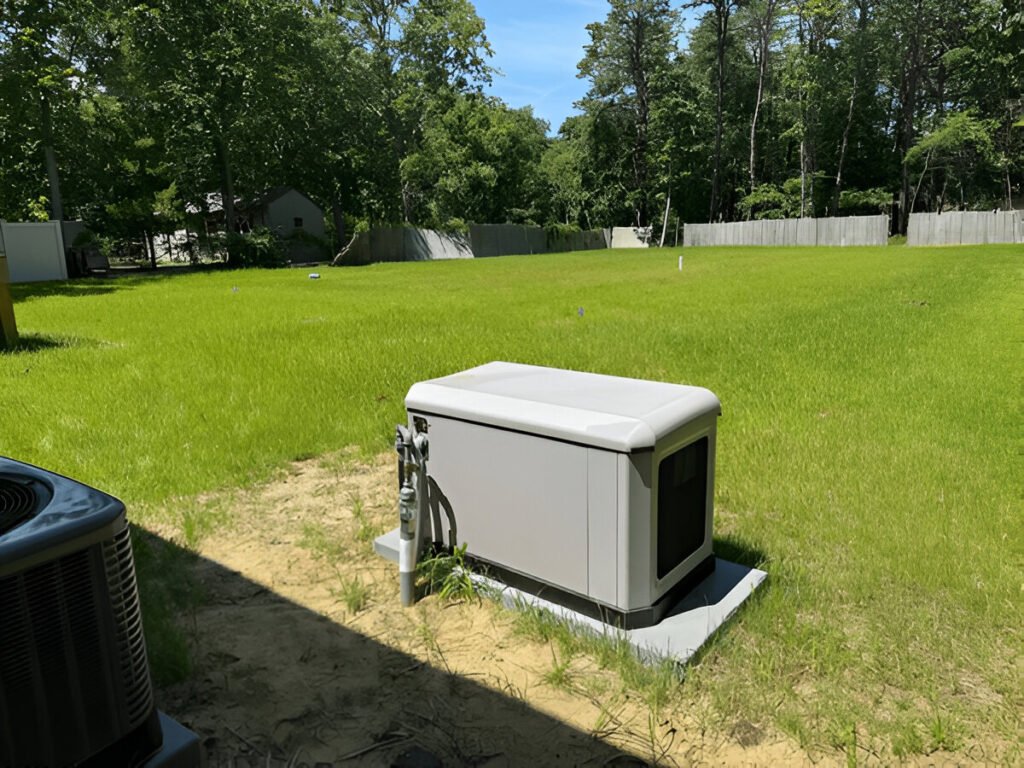
When the lights go out, a home generator can be a beacon of comfort and safety. But the peace of mind it offers is only as strong as its installation. Generator installation & setup isn't just about plugging in a machine; it's a intricate dance between your home's electrical and fuel systems, demanding precision and adherence to strict safety codes. Get it wrong, and you risk everything from equipment damage to deadly carbon monoxide poisoning or even backfeeding dangerous power into the utility grid.
This guide isn't just about reading; it's about empowering you to make informed decisions for your home's safety and resilience. We'll walk you through why proper installation is non-negotiable, when to call in the pros, and what to expect every step of the way.
At a Glance: Key Takeaways for Safe Generator Setup
- Safety First: Incorrect installation risks electric shock, fire, carbon monoxide poisoning, and equipment damage.
- Professional Required for Standby: Whole-home standby generators always need licensed professionals due to high-voltage electrical work and permanent fuel line integration.
- DIY for Specific Portables Only: Portable generators can be DIY if used with approved extension cords or a pre-installed manual transfer switch/interlock kit, never directly wired into your main panel.
- Permits Are a Must: Standby installations require electrical, fuel, and zoning permits, plus inspections.
- Location, Location, Location: Outdoor placement, away from windows and doors, on a stable, level base is critical for safety and performance.
- Ongoing Maintenance: Proper installation is just the start; regular maintenance ensures long-term reliability.
- Invest Wisely: Hiring the right, licensed professional is crucial for compliance, warranty, and your family's safety.
Why Proper Generator Installation Isn't Optional, It's Essential
Imagine a lifeline for your home during a blackout – that's your generator. Now, imagine that lifeline being improperly connected, frayed, or sending dangerous currents back where they shouldn't go. That's the risk of poor installation.
A correctly installed generator isn't just about getting power; it's about safeguarding your entire household. This means protecting your sensitive electronics from power surges, preventing dangerous electrical overloads, and, most critically, ensuring no "backfeeding" occurs. Backfeeding is when your generator's power accidentally flows into the utility grid, posing a deadly risk to utility workers trying to restore power. Proper installation, following the National Electrical Code (NEC) and local regulations, ensures that safety features work as intended, your investment is protected, and your generator is ready when you need it most.
DIY or Pro? Drawing the Line for Your Generator Setup
This is perhaps the most critical decision you'll make, and it hinges entirely on the type of generator you have or plan to get. There’s a stark, unyielding line between what you can safely do yourself and when you absolutely must call in a professional.
DIY Generator Setup: When It's Okay (and Its Limits)
DIY generator setup is only recommended for portable generators and under very specific, controlled circumstances. If your portable generator connects directly to individual appliances using approved, heavy-duty extension cords, you're generally in safe territory. Think powering a fridge, a few lights, or your phone charger directly from the generator's outlets.
You can also safely DIY a portable generator setup if it connects to your home's electrical system via an existing, pre-installed manual transfer switch or interlock kit. These systems are designed to safely isolate your home's electrical panel from the utility grid, preventing backfeeding. However, installing the transfer switch or interlock kit itself is professional work.
When DIY is NOT Okay:
- Directly wiring into your main electrical panel: This is incredibly dangerous and illegal. It bypasses crucial safety mechanisms.
- Modifying existing fuel lines: Unless you are a licensed gas fitter, this is a severe fire and explosion hazard.
- Any setup involving opening your electrical panel: Unless you are a licensed electrician, this is a non-starter.
Professional Generator Installation: Non-Negotiable for Standby Units
If you're considering a whole-home standby generator, professional installation isn't just a recommendation—it's a legal and safety requirement. These powerful units are permanently installed, hardwired into your home's electrical system, and connected to a permanent fuel source (like natural gas or a large propane tank).
The complexity involves:
- High-voltage electrical work: Integrating with your main electrical panel and installing an automatic transfer switch.
- Permanent fuel line connections: Gas lines must be safely run and connected, often requiring a licensed plumber or gas fitter in addition to an electrician.
- Permitting and Inspections: Standby installations require multiple permits (electrical, fuel, zoning) and subsequent inspections to ensure compliance with local and national codes.
Attempting to install a standby generator yourself will void warranties, create serious safety hazards, and likely result in costly code violations. Trust us, this is one area where cutting corners can have catastrophic consequences.
The Professional Process: How Your Standby Generator Gets Installed
So, you've decided on a whole-home standby generator – smart choice for reliable power. Now, let's explore the structured, multi-step process a qualified professional will follow to ensure your system is installed safely and correctly.
1. Site Assessment & Permitting: Laying the Groundwork
Before any dirt is moved or wires are connected, your installer will perform a thorough assessment of your property. This initial step is foundational and impacts every subsequent decision.
- Electrical Load Calculation: They'll determine your home's total electrical needs to ensure the generator you've chosen is appropriately sized. Overloading a generator is inefficient and dangerous.
- Fuel Source Options: The installer will evaluate the feasibility of connecting to natural gas, or advise on the best placement and sizing for a propane tank.
- Optimal Location Identification: This is critical for safety and performance, considering factors like noise, exhaust, and accessibility.
- Permit Acquisition: This isn't a suggestion; it's a legal necessity. Your installer should handle securing all required permits – electrical, fuel, zoning, and potentially HOA approvals. This process ensures your installation meets all local and national building codes. Without proper permits and inspections, you could face fines, insurance issues, and difficulty selling your home.
2. Choosing the Perfect Spot: Location, Location, Location
Once permits are in hand, the physical work begins with site selection. This isn't just about convenience; it's about safety, compliance, and optimal generator performance.
- Stability & Level Ground: The generator must sit on a stable, level surface. This typically means a poured concrete pad or a compacted gravel base. This prevents the unit from shifting, vibrating excessively, or sinking over time.
- Ventilation & Exhaust: Generators produce carbon monoxide, a colorless, odorless, and deadly gas. The location must ensure ample airflow and proper exhaust dispersal.
- Minimum Clearances: Generally, standby generators require a minimum of 5 feet from any door, window, or vent to prevent exhaust from entering your home.
- Minimum Clearances from Structures: Typically 18 inches from walls or other structures, ensuring adequate space for cooling, maintenance access, and fire safety.
- Accessibility: The site should allow easy access for routine maintenance, refueling (if applicable), and emergency servicing.
- Noise Considerations: While standby generators are quieter than portables, consider proximity to bedrooms or your neighbor's property to minimize disturbance during operation.
3. Site Preparation: Building a Solid Foundation
With the location finalized, the area is prepared to receive the generator.
- Ground Leveling and Compaction: The chosen spot is leveled and compacted to create a stable base.
- Generator Pad Installation: A concrete slab (often pre-fabricated or poured on-site) or a robust gravel bed is installed. This elevates the generator, protecting it from moisture, minimizing vibration, and providing a stable foundation.
- Drainage Systems: Your installer will ensure proper drainage around the pad to prevent water pooling, which can damage the unit or create electrical hazards.
4. The Electrical Heart: Connecting to Your Home's Grid
This is where the magic happens – and where specialized electrical expertise is absolutely crucial.
- Transfer Switch Installation: This is the brains of your generator system. It can be a manual transfer switch (you flip a switch to change power sources) or an automatic transfer switch (ATS). For standby generators, an ATS is standard, automatically sensing a power outage and seamlessly switching your home's power from the utility to the generator within seconds. It also safely prevents backfeeding.
- Wiring the Generator: Heavy-gauge electrical cables are run from the generator to the transfer switch. These wires are specifically rated for outdoor use and high current loads.
- Integrating with the Main Electrical Panel: The transfer switch is then wired into your home's main electrical panel. Depending on whether it's a "whole house" or "essential circuits only" system, the appropriate circuits are connected to ensure they receive power during an outage.
5. Fueling the Power: Setting Up the Supply Line
The generator needs a constant fuel supply to operate, and connecting this safely is paramount.
- Natural Gas: If using natural gas, a licensed plumber or gas fitter will run a dedicated gas line from your home's utility connection to the generator. This involves tapping into your main gas line and ensuring proper sizing for the generator's demand.
- Propane: For propane, a secure tank (sized based on your generator's consumption and desired run time) will be installed. The installer will connect the generator to the tank with a robust fuel line, including a shut-off valve and regulator.
- Diesel: Diesel generators require a securely installed fuel tank with appropriate filtration and fuel lines, often involving more complex storage and delivery systems.
6. System Testing & Final Inspections: The Green Light
Once everything is connected, the system undergoes rigorous testing and is then reviewed by local authorities.
- Load Testing: The generator is started and run under load, simulating a power outage, to ensure it delivers stable power and that all connected circuits function correctly. Safety features and monitoring systems are verified.
- Installer Walkthrough: Your installer will walk you through the system, explaining its operation, maintenance requirements, and emergency procedures.
- Local Inspections: The local electrical, plumbing, and building inspectors will perform final reviews. They'll verify that all installations meet code, are safe, and operate correctly before issuing final approval. This final sign-off is your assurance that your system is compliant and safe.
Crucial Safety Considerations: Protecting Your Family and Home
Beyond proper installation, understanding ongoing safety protocols is vital for generator ownership.
- The Silent Killer: Carbon Monoxide (CO)
- Always Outdoor Use: Generators must be operated outdoors, far away from windows, doors, and vents. Never run a generator in a garage, basement, or any enclosed or semi-enclosed space, even with doors and windows open.
- CO Detectors: Install battery-operated carbon monoxide detectors on every level of your home, especially near sleeping areas, and check them regularly.
- Electrocution Hazards:
- Proper Grounding: Ensure your generator is correctly grounded as per NEC requirements to prevent electrical shock. Your professional installer will handle this.
- Dry Hands, Dry Ground: Always handle your generator with dry hands and ensure it's on a dry surface.
- Avoid Damaged Cords: Never use frayed, cracked, or damaged extension cords or cables.
- Fuel Storage & Handling:
- Approved Containers: Store gasoline and diesel in approved, clearly labeled containers designed for fuel storage.
- Ventilated Areas: Keep fuel containers in a cool, dry, well-ventilated area, away from living spaces and any heat sources or ignition sources (e.g., pilot lights, electric motors).
- Propane Tank Safety: Store propane tanks upright in a well-ventilated outdoor area. Ensure valves are closed when not in use.
- Never Refuel Hot: Allow the generator to cool down completely before refueling to prevent spills from igniting.
- Weather Protection:
- Built-in for Standby: Standby generators are designed for outdoor weather.
- Portable Considerations: For portable units, consider a weather-resistant cover or canopy to protect it from rain or snow while running, but ensure it doesn't impede ventilation.
Understanding the Investment: Generator Installation Costs
Installing a whole-home standby generator is a significant investment in your home's safety and comfort. While exact costs vary widely, having a general understanding can help you budget effectively.
For a complete whole-home standby generator system, including the generator unit itself and professional installation, you can generally expect costs to range from $8,500 to $23,000.
Several factors influence this range:
- Generator Capacity: Larger, higher-capacity units capable of powering an entire home with multiple heavy-draw appliances will be more expensive.
- Fuel Type: Natural gas installations might have different piping costs than propane (which requires a tank purchase or rental) or diesel (which needs a secure fuel tank).
- Site Complexity: If your location requires extensive grading, a custom concrete pad, or difficult trenching for electrical and fuel lines, costs will increase.
- Electrical System Upgrades: Sometimes, your existing electrical panel may need an upgrade to safely integrate the new generator and transfer switch, adding to the total cost.
- Permit Fees: These vary by municipality and are usually included in the installer's quote.
- Accessibility: If the installation site is difficult to access for heavy equipment or extensive manual labor, costs can rise.
For high-capacity units or homes with complex electrical and fuel system requirements, the total cost can sometimes exceed $25,000. It’s crucial to get detailed, itemized quotes from several reputable installers.
Choosing the Right Installer: Your Partner in Power
The quality of your generator installation hinges entirely on the expertise of your chosen professional. Don't simply go with the cheapest bid; prioritize qualifications, experience, and reliability.
Here's what to look for:
- Licensing & Certifications:
- Electrical License: Ensure the electrician is fully licensed in your state or municipality.
- Plumbing/Gas Fitter License: If your installation involves natural gas or propane lines, verify they (or their subcontractor) hold the necessary plumbing or gas fitting licenses.
- Manufacturer Certifications: Many reputable installers have specific training and certifications from major generator manufacturers (e.g., Generac, Kohler, Cummins). This indicates specialized knowledge of the equipment.
- Experience with Your Generator Type & Fuel: Ask about their experience with the specific brand and model of generator you're considering, as well as the fuel type (natural gas, propane, diesel).
- Insurance: Verify they carry adequate liability insurance and workers' compensation. This protects you from financial responsibility in case of accidents or damage during the installation process.
- References & Reviews: Ask for references from past clients and check online reviews. Look for patterns of professionalism, timely completion, and customer satisfaction.
- Detailed Written Quotes:
- Insist on a clear, itemized quote that breaks down costs for the generator unit, labor, materials, permits, and any potential additional work (e.g., panel upgrades, site prep).
- Discuss what's included and what might incur extra charges.
- Permit & Inspection Handling: Confirm that the installer will handle all necessary permits and coordinate inspections with local authorities. This is a sign of a professional operation that understands and adheres to code.
- Warranty & Service Plan: Inquire about their installation warranty and if they offer ongoing maintenance plans. A good installer stands behind their work.
- When exploring options for your home's power needs, remember that quality installation ensures long-term reliability. For a deeper dive into available models and trusted brands, you might want to Explore Sams Generators.
Questions to Ask Potential Installers: - "What's your experience with [your specific generator brand/model] and [your fuel type]?"
- "Can you provide proof of current licenses and insurance?"
- "What permits will be required, and will you handle them?"
- "What's included in the quote, and what are potential additional costs I should be aware of?"
- "How long will the installation take, and what's the typical process?"
- "Do you offer an installation warranty or ongoing maintenance plans?"
Beyond Installation: The Lifespan of Generator Maintenance
Getting your generator professionally installed is a monumental step, but it's not the finish line. Like any complex machine, a generator requires ongoing care to ensure it's ready to perform when you need it most. Neglecting maintenance can lead to breakdowns, shortened lifespan, and even safety hazards.
- Annual Professional Servicing: Schedule an annual check-up with a qualified technician. This typically involves:
- Changing the oil and oil filter.
- Replacing air and fuel filters.
- Checking and adjusting valve clearances.
- Inspecting spark plugs.
- Testing the battery and charging system.
- A full system diagnostic and load test to verify operation.
- Fuel Management:
- Gasoline Portables: Use fuel stabilizer if storing gasoline for more than a few weeks. Rotate your fuel supply regularly.
- Diesel Units: Diesel fuel can degrade over time. Ensure proper storage, and consider fuel additives to prevent microbial growth and gelling in cold weather.
- Propane/Natural Gas: Check propane tank levels regularly. Natural gas offers a continuous supply, but ensuring the line is clear and regulators are functioning is part of annual checks.
- Monthly Exercise: Most standby generators have an automatic exercise mode, where they run for a short period (typically 15-30 minutes) each week or month. This keeps the engine lubricated, recharges the battery, and ensures the system is ready. If yours doesn't, manually start it and run it under a small load once a month.
- Regular Visual Inspections:
- Check for any signs of rodent nests, which can chew wires.
- Look for corrosion, especially on electrical terminals and battery posts.
- Clear away any debris, leaves, or snow that could block air intakes or exhaust vents.
- Ensure the generator's pad remains level and free of water pooling.
- Battery Health: The battery is crucial for starting. Keep terminals clean and check the charge regularly, especially in extreme temperatures.
Think of it like an annual physical for your car or yourself. Consistent, proactive maintenance keeps your generator healthy, extends its lifespan, and ensures it's a dependable guardian against power outages.
Your Power, Your Peace of Mind
Navigating the world of generators, from selection to seamless integration, can feel daunting. However, by understanding the critical role of professional generator installation & setup, you're making an informed choice that prioritizes safety, compliance, and reliability. Investing in proper installation isn't an extra cost; it's an essential safeguard for your home, your family, and your peace of mind when the grid inevitably falters.
When you choose a licensed, experienced professional, you're not just buying a generator; you're investing in uninterrupted power and the assurance that your system will perform flawlessly and safely, outage after outage. Take the time to choose your generator and your installer wisely, and you'll be well-prepared for whatever comes your way.