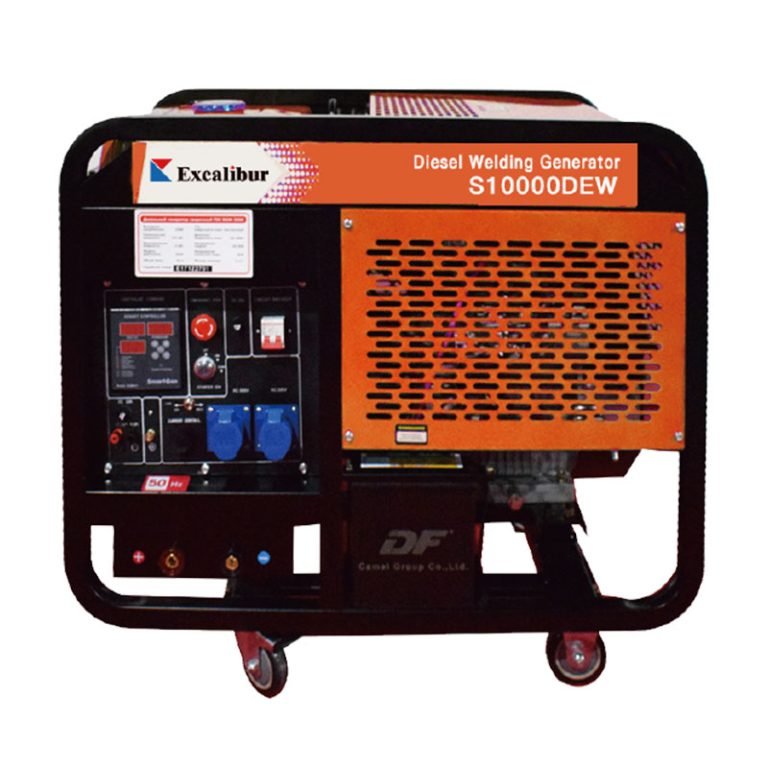
In an era where every operational dollar counts, mastering Generator Fuel & Efficiency isn't just about saving money—it's about optimizing performance, extending equipment lifespan, and ensuring reliable power when you need it most. Whether you rely on generators for backup power, off-grid living, or primary industrial operations, understanding how to squeeze maximum energy from every drop of fuel is a non-negotiable skill. Forget simply hitting the 'on' switch; true power management comes from a deep dive into efficiency.
At a Glance: Your Quick Guide to Generator Fuel Efficiency
- Efficiency isn't 100%: Generators lose energy as heat, friction, and exhaust, typically achieving 30-45% electrical efficiency (diesel).
- The "Sweet Spot": Most generators run best and most efficiently at 70-80% of their rated capacity.
- Fuel Types Matter: Diesel generally offers higher energy density and better efficiency than gasoline; natural gas offers cleaner burn but lower raw efficiency (though CHP systems boost overall effectiveness).
- Maintenance is Key: Regular upkeep prevents efficiency drops caused by dirty filters, worn injectors, and poor lubrication.
- Load Management is Crucial: Avoid prolonged light-load operation to prevent engine damage and waste.
- Track Your Burn: Monitor fuel consumption and power output to identify inefficiencies and validate improvements.
Beyond the Basics: Understanding Generator Efficiency
At its heart, generator efficiency is a straightforward concept: how effectively does your machine convert the chemical energy stored in fuel into usable electrical power? We often express this as kilowatt-hours per liter (kWh/L). A higher number here means more power from less fuel, directly translating to reduced operating costs, fewer emissions, and better overall value from your investment.
You might wonder why a generator can't be 100% efficient. The simple truth lies in the immutable laws of thermodynamics. Energy is always lost during conversion—primarily as heat through the exhaust, cooling systems, and engine friction. Auxiliary loads like cooling fans and control systems also draw power. These inherent limitations mean real-world efficiency is always a fraction of the ideal, and it's heavily influenced by factors like load, altitude, temperature, and how well the engine is tuned.
The theoretical maximum efficiency for an engine operating on the Diesel Cycle guides design targets, but actual generator efficiency—the electrical efficiency you experience—will always be lower due to these real-world losses. It's a continuous engineering challenge to minimize these losses, pushing generators closer to their theoretical limits.
The Science Behind the Savings: Key Performance Indicators (KPIs)
To truly measure and improve your generator's efficiency, you need to speak its language—the language of Key Performance Indicators (KPIs). These metrics allow manufacturers, engineers, and savvy operators like yourself to quantify performance:
- Fuel Consumption Rate: This is your primary metric, telling you how much fuel is used per unit of electricity generated (e.g., liters per kilowatt-hour, L/kWh). Your goal? Always a lower number.
- Heat Rate: More common in larger, industrial power plants, heat rate measures the amount of fuel energy (in BTUs) required to generate one kilowatt-hour of electricity. Again, lower is better.
- Load Testing: This involves rigorously running a generator at various load levels (25%, 50%, 75%, 100%) to create an "efficiency curve." This curve reveals where your generator performs optimally and where it struggles.
- Power Factor: An often-overlooked metric, power factor (ideally close to 1.0) indicates how effectively electrical power is being utilized. A low power factor means you're drawing more current than necessary, leading to increased losses and reduced overall efficiency.
- Specific Fuel Consumption (SFC): Expressed as fuel consumed per unit of power output per hour (e.g., grams per kilowatt-hour, g/kWh), SFC is a precise measure for comparing engine performance across different designs.
Fueling Your Choice: Diesel, Gasoline, or Natural Gas?
The type of fuel your generator uses significantly impacts its efficiency, cost of operation, and even its environmental footprint. Each has its strengths and weaknesses.
Diesel Generators: The Workhorse of Efficiency
Diesel generators are often the go-to choice for demanding applications, and for good reason. They boast superior fuel efficiency and robustness:
- Typical Electrical Efficiency: Expect diesel units to operate at 30-45% efficiency in their optimal range. Modern industrial generators can push this beyond 40%, sometimes achieving peak efficiencies of 70-80% of rated capacity under ideal loads.
- Advantages: Diesel fuel has a high energy density, meaning more power per gallon. Diesel generators are generally more fuel-efficient than gasoline counterparts, especially under sustained heavy loads. They're also built to last, with lifespans often reaching 20,000-30,000 hours with proper maintenance.
- Efficiency Factors: Advanced technologies like electronic fuel injection, turbocharging, and intercooling have dramatically improved diesel engine efficiency, optimizing combustion and power output.
Gasoline Generators: Portable Power, Different Efficiency
For smaller, portable applications or occasional backup power, gasoline generators are popular. However, they come with a different efficiency profile:
- Typical Efficiency: Gasoline generators typically range from 20-35% in efficiency. Inverter models, which electronically adjust engine speed to match load, can sometimes reach 35-40%.
- Advantages: They're generally cheaper to buy upfront, lighter, more portable, and easier to start in cold weather. They also tend to be quieter than conventional diesel units.
- Disadvantages: Gasoline has a lower energy density than diesel, leading to higher fuel consumption per kWh. They are also less efficient at maintaining constant power under varying loads and typically have shorter operational lifespans.
Natural Gas Generators: Clean Power, Unique Considerations
Natural gas and propane generators offer a cleaner burn and different logistical advantages:
- Fuel Properties: While they produce lower particulate matter emissions, natural gas and propane have significantly lower energy density compared to diesel. For instance, diesel contains roughly three times the BTU (British Thermal Unit) energy of natural gas per unit of volume. This means natural gas generators generally cannot match diesel in raw electrical efficiency for the same power output.
- Advantages: They burn cleaner, reducing environmental impact and extending engine life by minimizing carbon buildup. Fuel can be stored indefinitely (propane) or delivered continuously via existing infrastructure (natural gas lines), eliminating the need for on-site fuel storage. Fuel costs can also be lower in many regions.
- Efficiency Factors: A major game-changer for natural gas generators, particularly in industrial settings, is Combined Heat and Power (CHP) systems. By capturing the waste heat generated during electricity production (which would normally be lost), CHP systems can achieve overall energy efficiencies of 80-90%, providing both power and heating/cooling.
The Hidden Variables: What Really Impacts Your Generator's Fuel Efficiency?
It's not just about the fuel type; a multitude of factors dictate how efficiently your generator runs. Understanding these can help you pinpoint areas for improvement.
The Sweet Spot: Load Level Management
This is perhaps the single most critical factor. Generators are designed to operate within a specific load range for optimal efficiency.
- Optimal Operation: Your generator is a workhorse, but it's most efficient when carrying a significant load—ideally 70-80% of its rated capacity.
- The Danger of Part-Load: Running a generator at consistently low loads (e.g., below 30%) significantly reduces its efficiency. The engine isn't working hard enough to achieve optimal combustion temperatures, leading to unburnt fuel, carbon deposits, and a phenomenon known as "wet stacking." This condition can cause glazing of cylinder walls, reduced power output, excessive exhaust smoke, and premature engine wear, ultimately shortening its lifespan.
The Lifeline: Maintenance Matters Most
Neglecting routine maintenance is like throwing money into your fuel tank. A well-maintained generator runs smoothly and efficiently.
- Common Culprits: Dirty air or fuel filters restrict flow, forcing the engine to work harder and consume more fuel. Worn fuel injectors deliver an inefficient spray pattern, wasting fuel. Poor lubrication increases friction, consuming engine power. Inadequate cooling causes engine overheating, reducing efficiency and potentially leading to damage.
- The Fix: Stick religiously to the manufacturer's recommended maintenance schedule. This isn't just about preventing breakdowns; it's about preserving peak efficiency.
The Environment: Ambient Conditions and Fuel Quality
Your generator's surroundings and the fuel you feed it play a big role.
- Ambient Conditions: High ambient temperatures reduce air density, meaning less oxygen for combustion, which can decrease engine power and efficiency. Similarly, high altitudes (thinner air) and high humidity can negatively affect diesel engine performance and fuel economy. Poor air quality can clog filters faster, restricting airflow.
- Fuel Quality: Using contaminated, stale, or low-quality fuel can harm vital components like injectors and pumps, leading to unstable operation and reduced efficiency. Water, sediment, or biological growth in fuel tanks are common culprits.
The Blueprint: Engine Design and Age
Technology marches on, and generators are no exception.
- Modern Advantages: Newer generators benefit from advanced engine designs, including sophisticated electronic fuel injection systems, optimized cooling, and better engine control units (ECUs). These innovations ensure more precise fuel delivery and combustion, translating into superior efficiency compared to older models.
- Wear and Tear: Over time, even the best-designed engines experience wear. Components like piston rings, valves, and bearings can degrade, leading to compression losses and reduced efficiency.
Putting It into Practice: Calculating & Optimizing Your Fuel Consumption
Knowing the factors is one thing; putting that knowledge into action is another. Here's how to calculate your generator's fuel burn and what it means for your wallet.
How to Calculate Hourly Fuel Burn
While manufacturers provide estimates, your real-world consumption depends heavily on your specific load.
- Measure Output: Use a kilowatt meter to accurately determine your generator's output (kW) under a steady load.
- Measure Consumption: Run the generator at that steady load for a fixed period (e.g., one hour), using a calibrated fuel meter or by carefully noting fuel tank levels before and after.
- Calculate Rate: Divide the liters (or gallons) burned by the hours run. Then, relate this consumption to the kilowatts produced to get your L/kWh.
For quick estimates, you can use general rules of thumb or manufacturer's charts, applying a factor based on your current load percentage.
Real-World Example: A 200 kW Diesel Generator's Thirst
To illustrate, consider a 200 kW diesel generator. Its fuel consumption isn't linear; it becomes proportionally more efficient as the load increases towards its sweet spot.
| Load Level | Output (kW) | Approximate Fuel Consumption (Liters per Hour) | Notes |
|---|---|---|---|
| 25% | 50 kW | 8-10 L/hr | Very inefficient operation; high risk of wet stacking. |
| 50% | 100 kW | 14-18 L/hr | Better, but still not optimal. |
| 75% | 150 kW | 20-24 L/hr | Nearing peak efficiency; good operational zone. |
| 100% | 200 kW | 26-30 L/hr | At full capacity; still very efficient, but watch for potential overload if demand fluctuates. |
| Note: These are examples; actual figures vary by generator model, age, and ambient conditions. |
Your Action Plan: Concrete Steps to Supercharge Efficiency & Savings
Now for the actionable insights. These steps will help you optimize your generator's fuel usage and overall performance.
1. Strategize Your Load
This is paramount. Poor load management is the quickest way to waste fuel and damage your generator.
- Maintain the Sweet Spot: Aim to operate your generator at 70-80% of its rated capacity.
- Load Sharing & Sequencing: In multi-unit installations, use load sharing to distribute demand evenly, or sequence generators to bring units online only when needed. This ensures each operating unit is running efficiently.
- Automatic Transfer Switches (ATS): For backup systems, an ATS ensures a smooth transition to generator power and helps manage loads effectively.
- Avoid Light or Zero Load: Prolonged running at very light loads (below 30%) or idling leads to "wet stacking," a serious condition that degrades engine performance and lifespan.
- Use Load Banks: Regularly subjecting your generator to a load bank test burns off carbon deposits, confirms its real fuel efficiency, and ensures it's ready for critical demand. If your typical load is consistently low, consider temporarily connecting a load bank to exercise the unit properly.
- Consider Hybrid Systems: For highly variable loads, integrating your generator with battery storage or solar arrays can significantly improve efficiency. The generator can run at its optimal load to charge batteries, then shut down while the batteries handle lighter loads or peaks. This allows the generator to run fewer hours, more efficiently.
2. Master Your Maintenance Schedule
A well-maintained generator is an efficient generator. No exceptions.
- Follow Manufacturer Guidelines: Adhere strictly to schedules for oil, coolant, and filter changes. These aren't suggestions; they're essential.
- Load Bank Testing: Beyond load management, periodic load bank testing (even if your normal load is high) helps confirm engine health and validate fuel efficiency under controlled conditions.
- Thorough Inspections: Regularly check control panels, sensors, exhaust systems, and fuel lines for any signs of wear, leaks, or malfunction.
- Keep It Clean: Ensure air filters, radiators, and cooling systems are free of dust and debris to maintain optimal airflow and prevent heat stress on the engine.
- Document Everything: Keep a detailed log of all maintenance work, fuel consumption, and operational hours. This data helps you track efficiency improvements, identify potential issues early, and justify future upgrades or repairs.
3. Guard Your Fuel Quality and Storage
Your fuel is the lifeblood of your generator; protect it.
- Use High-Quality Fuel: Invest in reputable diesel fuel and ensure it meets current specifications. Contaminated or poor-quality fuel is a leading cause of injector wear, engine instability, and reduced efficiency.
- Proper Storage: Store fuel in clean, sealed tanks, away from direct sunlight and extreme temperatures. Implement a fuel polishing system for larger, long-term storage tanks to remove water and contaminants.
- Safety First: Never refuel a hot generator while it's running. Always shut it down completely to prevent spills, reduce ignition risks, and ensure accurate fuel level readings. For a reliable backup power solution, consider a dependable Sams generator.
4. Monitor Like a Pro
What you can't measure, you can't improve.
- Install Calibrated Meters: Equip your generators with accurate fuel meters and reliable kilowatt meters on each unit. These are indispensable tools for tracking actual consumption and output.
- Record and Analyze: Consistently record fuel consumption and electrical output, especially during steady operation. Then, apply the efficiency formula to calculate your real-world performance.
- Adjust for Variables: For the most accurate comparisons, adjust your readings for fuel temperature and density, as these can slightly influence volume-to-energy calculations.
- Track Trends: Keep a log of your data over time. This helps you spot gradual degradation in efficiency, validate the effectiveness of your maintenance, and build a strong case for generator upgrades or optimization projects.
5. Make Smart Design and Selection Choices
Sometimes, optimizing an existing generator isn't enough; future-proofing your power strategy requires smart initial choices.
- Retrofit Older Units: For older generators, consider retrofits such as electronic governors (for more precise engine speed control) or advanced control systems. These can significantly improve fuel efficiency and performance.
- Collaborate with Experts: When selecting a new generator, work with experienced professionals. They can help you determine the most efficient generator type (diesel, natural gas, or even hybrid solutions) and the correct size for your specific duty cycle, ambient conditions, and compliance requirements. Proper sizing is crucial; an oversized generator will rarely operate in its efficient range, leading to wasted fuel.
The Bottom Line: Why Every Drop of Fuel Efficiency Counts
Focusing on generator fuel and efficiency isn't just a technical exercise; it's a strategic imperative that delivers multiple tangible benefits for individuals and businesses alike.
Unlocking Significant Cost Savings
This is perhaps the most immediate and impactful benefit. Every percentage point of efficiency you gain directly translates into less fuel consumed for the same electricity output. Over the lifespan of a generator, these savings can be substantial, dramatically reducing your operational expenditures and improving your bottom line. For instance, a 10% improvement in efficiency for a generator running 1000 hours a year can save hundreds, if not thousands, of dollars in fuel costs annually.
Nurturing a Greener Footprint
In today's environmentally conscious world, reducing your carbon footprint is a key responsibility. Less fuel consumption means lower emissions of greenhouse gases and particulate matter. By optimizing your generator's efficiency, you're not just saving money; you're actively contributing to cleaner air and a more sustainable operation. This can also help you meet increasingly stringent environmental regulations.
Extending Your Investment's Life
Efficient generators run cooler and operate within their designed parameters more consistently. This places less stress on critical engine components, such as pistons, cylinder liners, and bearings. The result? Extended equipment lifespan, fewer breakdowns, and reduced need for costly major repairs or early replacement. This protects your initial capital investment and minimizes downtime.
Fortifying Reliability and Performance
An efficient generator is a reliable generator. When operating optimally, it delivers consistent power output with fewer fluctuations, which is vital for protecting sensitive electronics and connected equipment. For critical applications like hospitals, data centers, or emergency services, predictable and consistent power is non-negotiable. Efficiency translates directly to enhanced reliability, ensuring power is there when it absolutely has to be.
Beyond the Grid: Understanding Your True Cost Per kWh
To fully appreciate the value of an efficient generator, it's crucial to understand your true cost of generating electricity.
To determine the cost per kilowatt-hour (kWh) from your diesel generator, you need to factor in more than just fuel. Divide the total cost of fuel, lube oil, and regular service by the total energy produced in kilowatt-hours over a given period.
Comparing this figure with local grid prices, or with the costs of natural gas or gasoline generator options, provides a clear financial picture. While modern electrical grids often offer lower costs per kWh, a fuel-efficient generator remains an indispensable asset for remote locations, areas with unstable power networks, or as a critical backup, precisely because of its high reliability.
Remember, the "total cost of ownership" (TCO) extends beyond just fuel. It includes initial capital investment, installation, maintenance, repair, and fuel costs over the generator's entire lifespan. Model these various scenarios to make the most informed decision, whether you're selecting a new unit or optimizing an existing one.
By applying these principles of Generator Fuel & Efficiency, you'll not only cut operational costs but also ensure your power solution is robust, reliable, and ready for whatever comes next. It’s an investment that truly pays dividends.