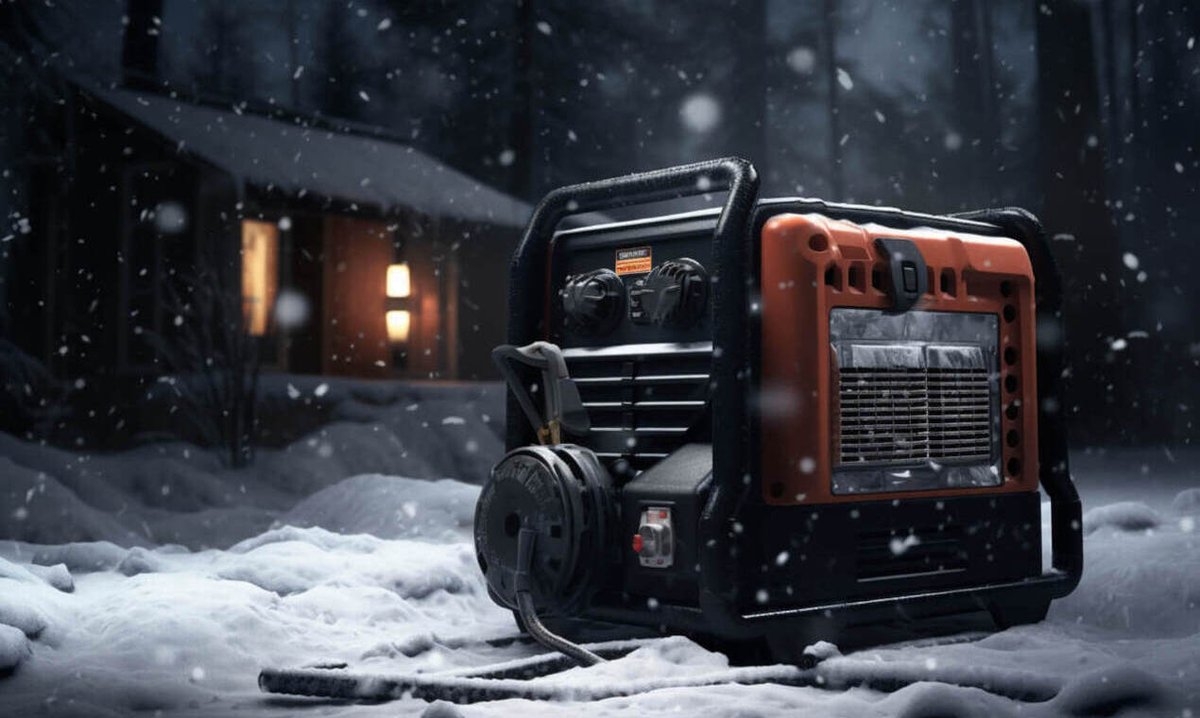
Picture this: The lights flicker, then plunge your home into darkness. The hum of the refrigerator dies, the Wi-Fi signal vanishes, and the weather forecast promises days, not hours, without power. In moments like these, you realize the value of a reliable backup. That's where Choosing the Right Generator (Buying Guide) becomes your ultimate lifeline, transforming uncertainty into uninterrupted comfort. This isn't just about avoiding inconvenience; it's about safeguarding your home, family, and peace of mind when the grid goes dark.
At a Glance: Your Generator Decision Checklist
Before diving deep, here’s a quick overview of what you’ll need to consider when buying a home generator:
- Assess Necessity: Do you truly need a whole-home generator, or would a portable unit suffice for essential items? Consider your location and typical outage risks.
- Calculate Wattage: Pinpoint which appliances you absolutely need to run and add up their wattage to determine your generator's required power output.
- Pick Your Fuel: Natural gas, propane, diesel, or even electric battery systems each have unique pros and cons related to cost, availability, and maintenance.
- Set a Budget: From portable units starting in the hundreds to whole-home standby systems costing thousands, your budget will guide your options.
- Prioritize Safety: Understand carbon monoxide risks, proper placement, and modern safety features.
- Consider Installation: Whole-home units require professional installation, while portable units are plug-and-play (with safety precautions).
Why a Generator Isn't a Luxury, But a Necessity for Many
For many homeowners, especially those outside densely populated urban centers, a generator isn't a "nice-to-have"—it's a critical infrastructure component. If you live in a rural area, a suburban development prone to storm damage, or even a low-income neighborhood where utility maintenance might lag, you’re statistically more vulnerable to power outages. These aren't just minor inconveniences; they can lead to spoiled food, burst pipes in winter, or even health risks for those reliant on medical equipment.
However, it's also about finding the right fit. If you're in an apartment or only need to keep a few vital devices running, a portable generator or a home power station might be a more practical, budget-friendly solution than a costly whole-home standby system. Understanding your typical power needs and outage patterns is the first step toward making an informed decision.
The Power Equation: Sizing Your Generator Correctly (Wattage)
One of the most common pitfalls in generator buying is miscalculating wattage. You don't want to buy too small a unit only to find your critical appliances won't run, nor do you want to overspend on something far more powerful than you need.
How to Calculate Your Needs
Start by making a list of every essential appliance you want to power during an outage. Think about:
- Refrigerators/Freezers: Crucial for food preservation.
- Lights: A few key rooms, not necessarily your entire house.
- Medical Devices: If anyone in your household relies on them.
- Well Pumps: If you rely on well water.
- Sump Pumps: Critical for flood prevention in basements.
- Basic Communication/Entertainment: Wi-Fi router, TV, phone chargers.
- Heating/Cooling: A furnace fan or a window AC unit (central air/heat often requires substantial power).
Each appliance has a "running wattage" (what it needs to operate continuously) and a "starting wattage" (a brief surge of power required to kick on, especially for motors). You'll typically sum the running wattage of all your essential items, then add the highest starting wattage of any single item that might come on simultaneously. Most appliance manuals or labels (often found on the back or bottom) will list their wattage.
A quick tip: Many generator dealers and installers offer free consultations to help you precisely size your needs. They can account for nuances like motor types and power factors that might be tricky for the average homeowner to calculate. Remember, regulating your usage during an outage—for example, not running the microwave and the washing machine at the same time—can significantly reduce the required generator size, saving you on both upfront cost and ongoing fuel expenses.
Fueling Your Peace of Mind: Decoding Generator Fuel Types
The type of fuel your generator uses is a critical decision, impacting everything from installation to running costs and maintenance. Each option—natural gas, propane, diesel, and even electric batteries—has distinct advantages and disadvantages.
Natural Gas Generators: The Grid Connection
Natural gas generators are a popular choice for whole-home standby systems, primarily because they connect directly to your home's existing natural gas line.
- Benefits: You get a continuous fuel supply from the utility grid, meaning no worrying about refilling tanks or running out of fuel during extended outages. They’re also generally cleaner-burning than gasoline or diesel, resulting in less maintenance for the engine.
- Downsides: While convenient, natural gas lines themselves can be vulnerable to disruption during severe storms or earthquakes. Installation requires a professional hookup to your gas line, adding to the initial cost.
Propane Generators: Flexible and Storable
Propane offers a versatile middle ground, suitable for both portable and stationary whole-home generators.
- Benefits: Propane can be stored in large, stationary tanks on your property or smaller, portable tanks for smaller generators. It boasts a longer shelf life than gasoline, so you don't have to worry about fuel degradation over time.
- Downsides: Unlike natural gas, propane isn't continuously supplied; you need to monitor tank levels and arrange for refills, which can be inconvenient during widespread outages. Propane costs can fluctuate, and its availability might be an issue during emergencies.
Diesel Generators: The Workhorses
Often favored for their robust performance and fuel efficiency, diesel generators are reliable powerhouses.
- Benefits: Diesel is typically more fuel-efficient than gasoline or propane, offering stable power for extended periods, making them popular in commercial settings.
- Downsides: Diesel generators often require more maintenance than natural gas units. Diesel fuel itself can degrade over time and is susceptible to contamination if not stored properly, requiring fuel stabilizers and careful tank management. They can also be noisier and produce more emissions than other types. For gasoline or diesel generators, expect to refuel every 12 to 16 hours depending on the load, meaning you'll need a substantial fuel supply on hand for multi-day outages.
Electric Home Battery Backup Systems: The Green Alternative
An increasingly popular, environmentally conscious option, electric home battery backup systems are fundamentally different from combustion generators.
- Function: These systems store energy, either from your home's solar panels or directly from the electrical grid, to provide power during an outage. Think of them as giant, smart power banks for your entire house.
- Benefits: They are environmentally superior, producing zero emissions, and operate silently. If integrated with solar panels, they offer true energy independence without reliance on fossil fuels. Batteries can also offer potential cost savings by participating in "time-of-use" utility plans—charging when electricity is cheapest and discharging when rates are high.
- Solar Integration: When connected to a solar system, batteries don't require any external fuel supply, making them incredibly resilient.
- Downsides: The primary hurdle is the high upfront cost, which can be significantly more than a traditional fossil fuel generator. While operational costs are low, the initial investment requires careful budgeting.
Budgeting for Backup: Costs & Considerations
The financial commitment for a home generator can vary wildly. Understanding these costs is key to making a practical choice.
Portable vs. Standby: A Cost Spectrum
- Portable Generators: These are the most budget-friendly option, typically ranging from a few hundred to a couple of thousand dollars. They are designed to power essential items—think refrigerators, lights, TVs, computers, and Wi-Fi. However, they generally lack the raw power to run central air conditioning or an entire home's heating system. They require manual setup, fueling, and often extension cords, and they must be operated outdoors away from the home.
- Whole-Home Standby Generators: These are a significant investment, often starting at $5,000 and easily reaching $20,000 or more, including professional installation. But they offer unparalleled convenience: they monitor your utility power, automatically kick on when an outage occurs, and seamlessly power your entire home (or chosen circuits) without any manual intervention. They are permanently installed, usually on a concrete pad outside your home, and connect directly to your electrical system and fuel source.
Beyond the initial purchase price, consider installation costs for standby units (electrical work, gas line connection, concrete pad), ongoing fuel expenses, and regular maintenance. Over a decade, these running costs can add up.
Safety First: Operating Your Generator Responsibly
Regardless of the type you choose, safety must be paramount. Generators, particularly those burning fossil fuels, produce carbon monoxide (CO), an invisible, odorless, and deadly gas.
- Carbon Monoxide Poisoning: Never operate a portable generator inside your home, garage, basement, or any enclosed or partially enclosed space. Modern whole-home units often include advanced carbon monoxide shutoff switches, which are a critical safety feature.
- Proper Ventilation: Install generators away from windows, doors, and vents to prevent exhaust fumes from entering your home. Always ensure adequate clearance around the unit for proper airflow and maintenance access.
- Professional Installation: For whole-home standby generators, professional installation by a licensed electrician and plumber is non-negotiable. They will ensure proper wiring, fuel line connections, and adherence to local codes.
- Transfer Switches: Standby generators automatically connect to your home's electrical system via an automatic transfer switch (ATS), which safely isolates your home from the utility grid during an outage. This prevents "backfeeding" electricity into the utility lines, which can be fatal to utility workers. Portable generators require a manual transfer switch or heavy-duty outdoor-rated extension cords connected directly to appliances.
Always read your generator's manual thoroughly and follow all safety instructions. Regularly check and maintain your unit to ensure it's ready when you need it most.
Standby Superstars: Examples of Whole Home Generators
If you're leaning towards a whole-home standby solution, these examples offer a glimpse into reliable options on the market. Remember, specific models and features evolve, so always verify the latest specs.
- Generac Guardian Wi-Fi Enabled Standby Generator (e.g., 22-kilowatt capacity): Generac is a household name in standby power. A 22-kilowatt unit can power most homes, including central air. Its Wi-Fi connectivity allows you to monitor its status from anywhere. Look for models with built-in safety features like Quiet Mode, self-testing, and running on natural gas or propane for flexible fueling. These units are designed for hands-off operation.
- Briggs & Stratton PowerProtect DX 22kW Home Standby Generator: Briggs & Stratton offers robust, commercial-grade options like their PowerProtect DX series. A 22kW capacity unit provides ample power for a typical home. These generators often feature flexible hookups for both liquid propane and natural gas, along with protective features against corrosion, making them durable in various climates. Installation and even removal (if you move) are often designed for ease. Some are even graded for non-emergency, off-grid use, offering even greater versatility.
- Honda EB10000: While often seen as portable, Honda also produces powerful units that can serve as whole-home backup, like the EB10000. Known for their reliability and fuel efficiency, Honda generators often come with electric start for ease of use. Crucially, their advanced carbon monoxide detection systems with auto shutoff add an extra layer of safety. This model typically runs on gasoline, but some setups might allow for natural gas conversion with specific kits, offering another option for reliable power.
When considering options, don't just look at the brand and wattage. Dive into features like noise levels, warranty, customer support, and the availability of local certified installers.
Making the Smart Choice: Your Generator Checklist
You've got the knowledge; now it's time to make a decision. Here's a quick checklist to guide you:
- Evaluate Your True Need: Is it life-saving medical equipment, food preservation, basic comfort, or full home operation?
- Calculate Your Watts: List critical appliances and their wattage. Don't forget starting watts. When in doubt, consult a professional.
- Choose Your Fuel Wisely:
- Natural Gas: Convenience of continuous supply, but vulnerable lines.
- Propane: Good for storage, flexible, but requires monitoring.
- Diesel: Efficient and stable, but requires more maintenance and fuel management.
- Electric Battery: Eco-friendly, silent, but high upfront cost.
- Set Your Budget: What's your comfort level for initial investment and ongoing costs?
- Prioritize Safety Features: CO detection, proper placement, professional installation for standby units.
- Consider Your Location: Proximity to fuel sources, local regulations, and climate conditions.
- Explore Warranty and Service: What kind of support can you expect after the purchase?
For a wider array of options and expert advice tailored to your specific situation, you might want to Explore Sams Generators or other reputable dealers in your area.
Your Power, On Your Terms
Choosing the right generator isn't a snap decision; it's an investment in your home's resilience and your family's comfort. By systematically evaluating your needs, understanding your options, and prioritizing safety, you'll be well-equipped to face any power outage with confidence. Don't wait for the next storm to hit; empower yourself with knowledge and take control of your home's power future today.